Your Journey
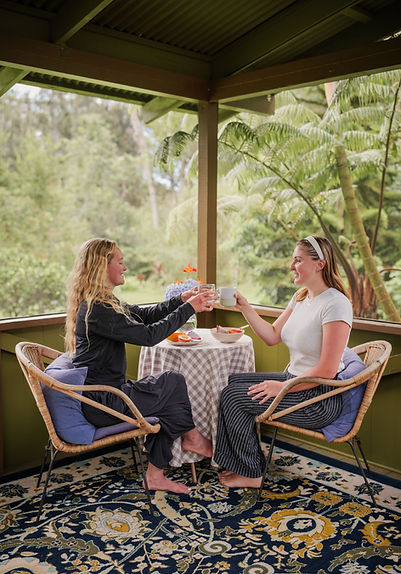
Your Journey with Hamakua is an invitation into deeper participation with the rhythms of life.
For some, this begins with a short stay. For others, it slowly unfolds through longer seasons of connection, contribution, exploration, and shared experience.
A Living Practice
There is no single way to journey. It is truly Your Journey.
For some, it looks like tending the land, preparing meals, creating, learning, or helping care for shared spaces.
For others, it begins through reflection, conversation, music, movement, or simply learning how to slow down and reconnect with life in a more meaningful way.


Learning Through Life
At Hamakua, learning is woven into daily life.
The land, the people, the shared rhythms, and the experiences that emerge between them often become the greatest teachers.
Some moments are profound. Others are beautifully ordinary.
Daily Rhythm
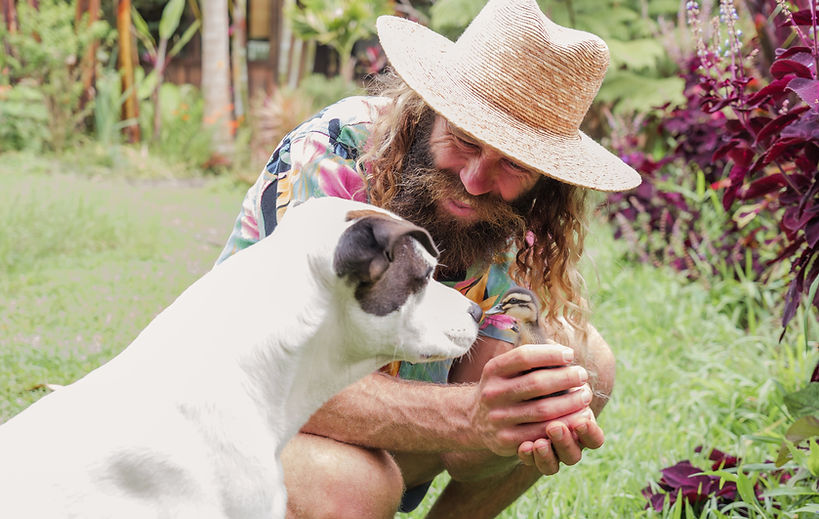
Life at Hamakua moves through shared rhythms rather than rigid schedules.
Mornings often begin slowly — coffee or tea, meditation, time in the garden, and shared meals as the day unfolds naturally.
Some days are active and communal. Others are quiet, spacious, and reflective. The rhythm is shaped as much by the people and season as by any plan itself.
Participation & Reciprocity
Your Journey is rooted in reciprocity.
Rather than consuming an experience from the outside, participants are invited into relationship with the people, spaces, and rhythms that sustain sanctuary life.
The people are always changing, but the rhythm remains.
.jpg)

Exploration & Belonging
Your Journey may begin during seasons of transition, curiosity, burnout, reflection, or personal growth.
Some stay briefly. Others return over months or years.
What often remains is a deeper sense of connection — to the land, to others, and to life itself.
Begin Where You Are
There is no perfect way to arrive here.
Some people come seeking rest. Others come seeking adventure, clarity, belonging, or a different rhythm of life for a time.
Your Journey begins simply through showing up with openness, curiosity, and care.